






0 to 90 years

Why Ayres’ Sensory Integration?
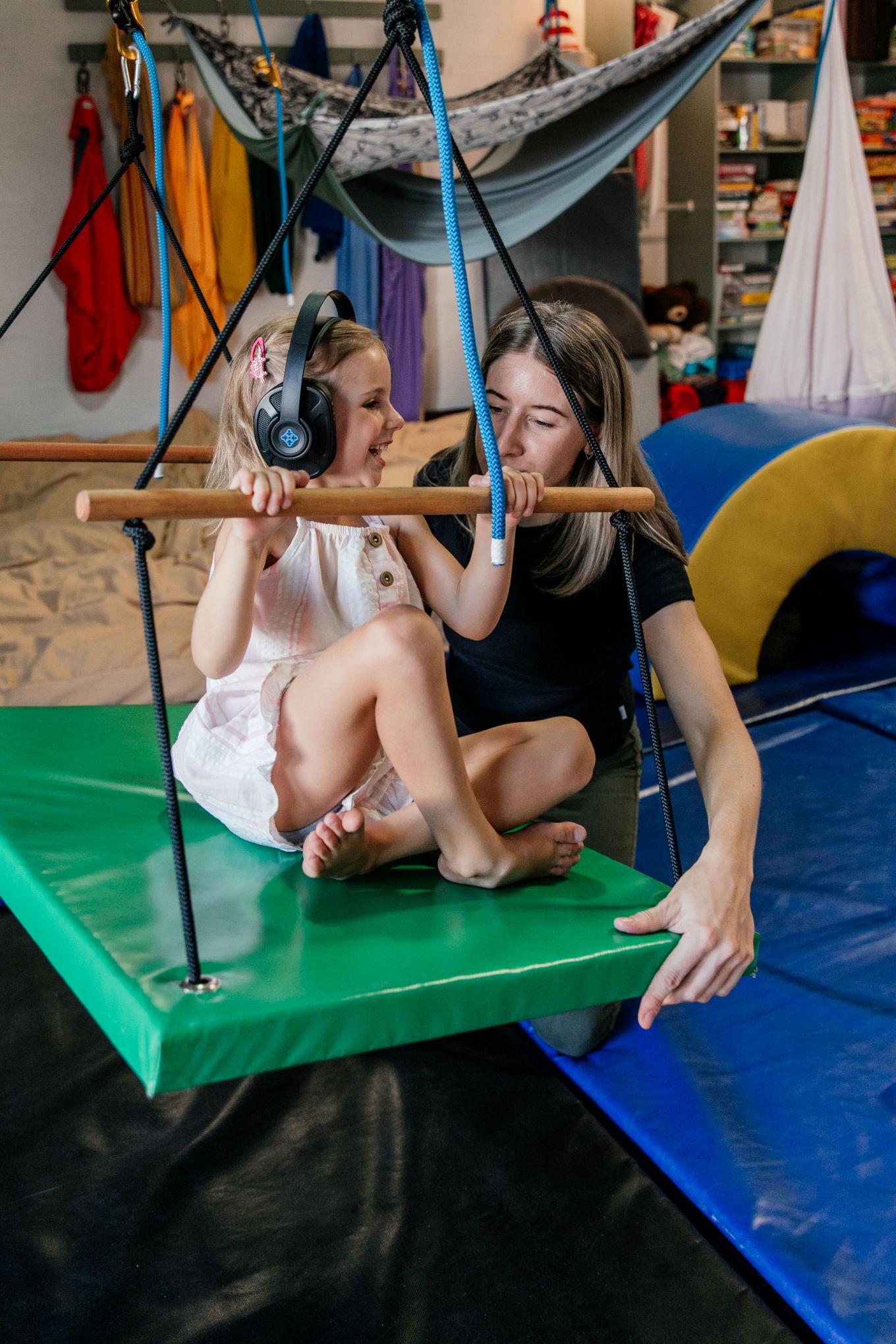
Ayres Sensory Integration Therapy is a specialised approach designed to help individuals with sensory processing difficulties. This therapy can benefit children, adolescents, and adults who struggle with sensory integration challenges, such as those with:
* autism spectrum disorders,
* ADHD,
* developmental delays,
* sensory processing disorder,
* learning disabilities, and
* other neurological conditions.
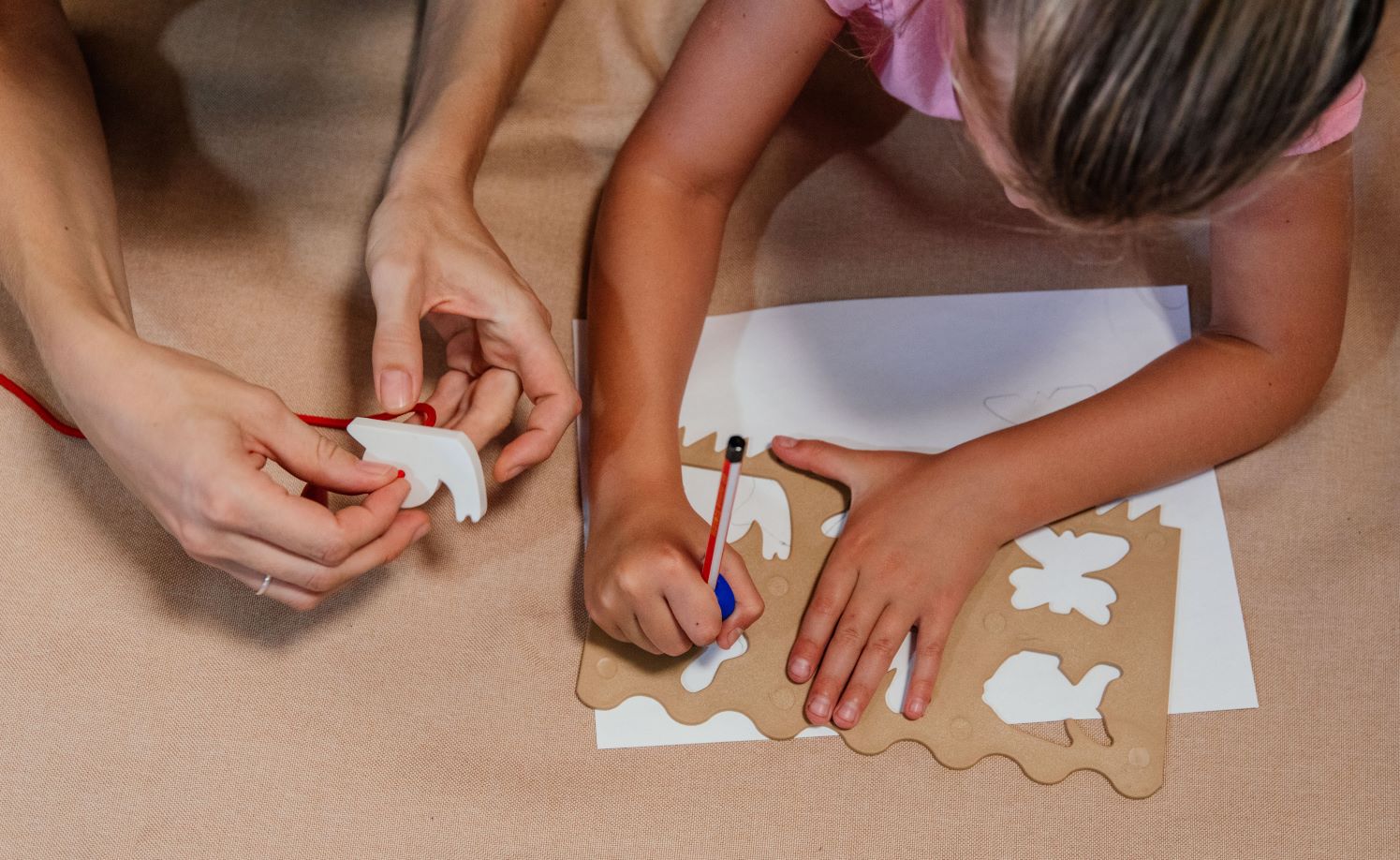
Additionally, individuals experiencing sensory processing issues due to trauma or other factors may also find Ayres Sensory Integration Therapy beneficial. The therapy focuses on improving sensory processing, motor skills, emotional regulation, and overall participation in daily activities. If you or your loved one experiences challenges related to sensory processing, Ayres Sensory Integration Therapy may be a valuable intervention to consider.

Why Tomatis?
The Tomatis Method is an innovative auditory training program designed to enhance listening skills, communication, and overall well-being. Developed by Dr. Alfred Tomatis, a French otolaryngologist, this method utilises sound stimulation to retrain the auditory system, leading to improvements in various areas such as speech, language, learning, and emotional regulation.
At its core, the Tomatis Method employs a specialised device known as the “Electronic Ear,” which delivers carefully modulated music and voice recordings to the listener. By systematically adjusting frequencies and intensities, the method aims to stimulate specific areas of the brain responsible for auditory processing and integration.
Through personalised listening sessions, individuals can experience a range of benefits, including:
* increased focus,
* enhanced sensory processing,
* improved communication skills, and
* heightened self-awareness.
Whether seeking support for learning difficulties, speech disorders, or simply striving for personal growth, the Tomatis Method offers a holistic approach to unlocking one’s full potential through the power of sound.
Interactive Metronome
The Interactive Metronome (IM) is a neuro-motor training program that aims to improve timing in the brain. It involves synchronised hand and foot exercises in response to a computer-generated beat. This therapeutic tool is often utilised by occupational therapists, physical therapists, and speech-language pathologists to help individuals with various cognitive and physical challenges. People with ADHD, autism, sensory integration issues, speech and language delays, and motor coordination difficulties may benefit from Interactive Metronome sessions. The programme’s emphasis on rhythm and timing is aimed at improving focus, coordination, and overall motor skills.
Typical Questions:
- What is occupational therapy, and how can it benefit my child?
- What conditions or challenges can occupational therapy help address in children?
- How do I know if my child needs occupational therapy?
- What does a typical occupational therapy session for children involve?
- How long does occupational therapy typically last for children?
- Will my child need ongoing occupational therapy, or is it usually short-term?
- What qualifications and experience should I look for in an occupational therapist for my child?
- How can I support my child’s progress outside of therapy sessions?
- Are there specific strategies or activities I can do at home to reinforce what my child learns in occupational therapy?
- Will occupational therapy interfere with my child’s school schedule or extracurricular activities?
- How can occupational therapy help with my child’s academic performance or social skills?
- Are there any potential side effects or risks associated with occupational therapy for children?
- Will insurance cover the cost of occupational therapy for my child?
- How do I communicate effectively with my child’s occupational therapist and other members of their healthcare team?
- What can I expect in terms of my child’s progress and milestones during occupational therapy?
- Can occupational therapy help with specific challenges such as sensory processing issues, fine motor skills, or handwriting difficulties?
- How can occupational therapy support my child’s independence and daily living skills?
- Are there any alternative or complementary therapies that may work well alongside occupational therapy for my child?
- What resources or support groups are available for parents of children undergoing occupational therapy?
- How will I know if occupational therapy is working for my child, and when should I consider adjusting the treatment plan?
 Robyn Turnbull Occupational Therapy